
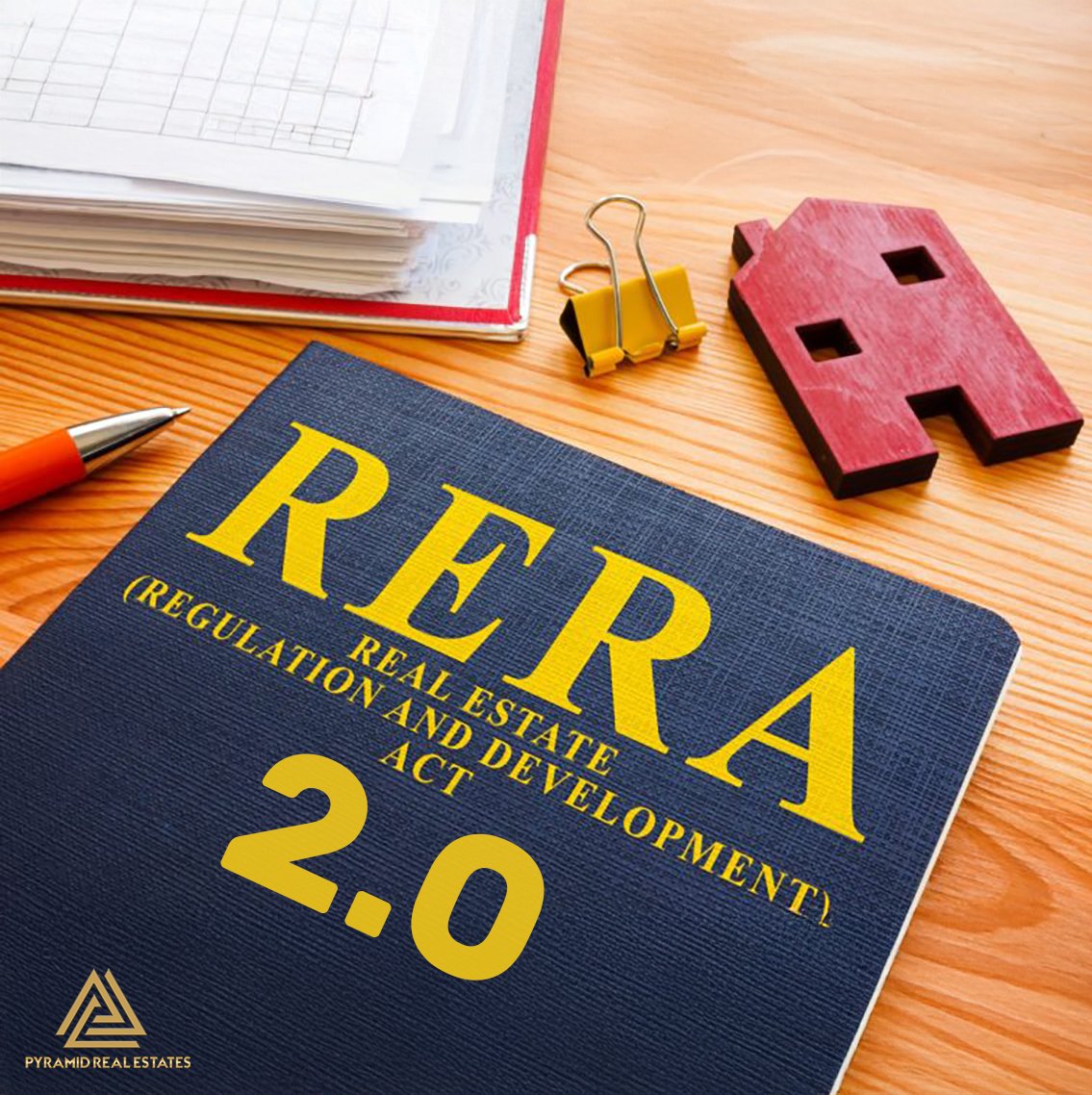
Understanding RERA 2.0 | 5 important changes every homeBuyer and developer must know
India’s real estate sector has undergone a major transformation with the introduction of the Real Estate (Regulation and Development) Act (RERA). Now, with the evolution toward RERA 2.0, the government is focusing on even stronger transparency, accountability, and consumer protection.
These updates aim to create a safer property market for buyers while ensuring developers follow stricter compliance rules. Whether you are planning to buy a home or are a developer launching a new project, understanding the latest changes in RERA 2.0 is essential.
What is RERA 2.0?
RERA 2.0 is not an entirely new law but an enhanced version of the existing RERA framework that introduces stricter rules, better monitoring systems, and digital transparency in the real estate sector. The goal is to eliminate delays, prevent fraud, and improve trust between developers and buyers.
These improvements also encourage developers to follow ethical practices while providing buyers with stronger legal protection.
5 Important Changes in RERA 2.0
1. Stricter Penalties for Project Delays
Project delays have been one of the biggest concerns for homebuyers in India. Under RERA 2.0, developers face higher penalties and compensation obligations if they fail to deliver projects on time.
Builders must clearly mention the project completion timeline during registration. If the delivery date is missed, buyers are entitled to interest payments or compensation.
Impact:
- Buyers receive financial protection.
- Developers must follow realistic timelines.
- Reduced chances of stalled projects.
2. Mandatory Escrow Fund Audits
Previously, developers were required to deposit 70% of project funds into an escrow account to prevent misuse of buyer money. Now, RERA 2.0 requires regular third-party audits and fund utilization reports to ensure transparency.
Impact:
- Prevents diversion of funds to other projects.
- Ensures money collected from buyers is used only for that project.
- Improves financial discipline in real estate development.
3. Faster Digital Complaint Resolution
RERA authorities are increasingly adopting digital platforms for complaint filing and dispute resolution. Buyers can now register complaints online and track the status easily.
This new system reduces paperwork and speeds up the legal process for resolving disputes between buyers and developers.
Impact:
- Faster grievance resolution.
- Greater accessibility for homebuyers.
- Improved accountability for builders.
4. Wider Coverage of Real Estate Projects
Earlier, some smaller or ongoing projects could avoid RERA compliance. Under the updated framework, more projects now fall under RERA regulation, including certain ongoing developments that were previously unregistered.
Impact:
- More buyers receive legal protection.
- Greater transparency across the real estate sector.
- Developers must register and disclose project details.
5. Standardized Builder-Buyer Agreements
One of the most important reforms in RERA 2.0 is the introduction of standardized builder-buyer agreements. These agreements clearly define:
- Payment schedules
- Possession timelines
- Refund policies
- Compensation rules
This prevents developers from including unfair terms that previously favored builders over buyers.
Impact:
- Fair contracts for both parties.
- Clear legal protection for buyers.
- Reduced chances of disputes.
Why RERA 2.0 Matters for Homebuyers
For property buyers, RERA 2.0 offers multiple advantages:
- Transparent project information
- Legal protection against fraud
- Faster complaint resolution
- Assurance of project timelines
- Greater financial security
These reforms help buyers make informed property investment decisions.
Why RERA 2.0 is Important for Developers
While the new rules increase compliance requirements, they also benefit developers who follow ethical practices.
Benefits include:
- Increased trust among buyers
- Improved credibility in the market
- Better access to institutional funding
- Stronger brand reputation
Developers who comply with RERA standards can build long-term relationships with investors and buyers.

Leave a Reply